
Community Service in Uganda
Community service in Uganda is a powerful driver of social…




Community service in Uganda is a powerful driver of social…
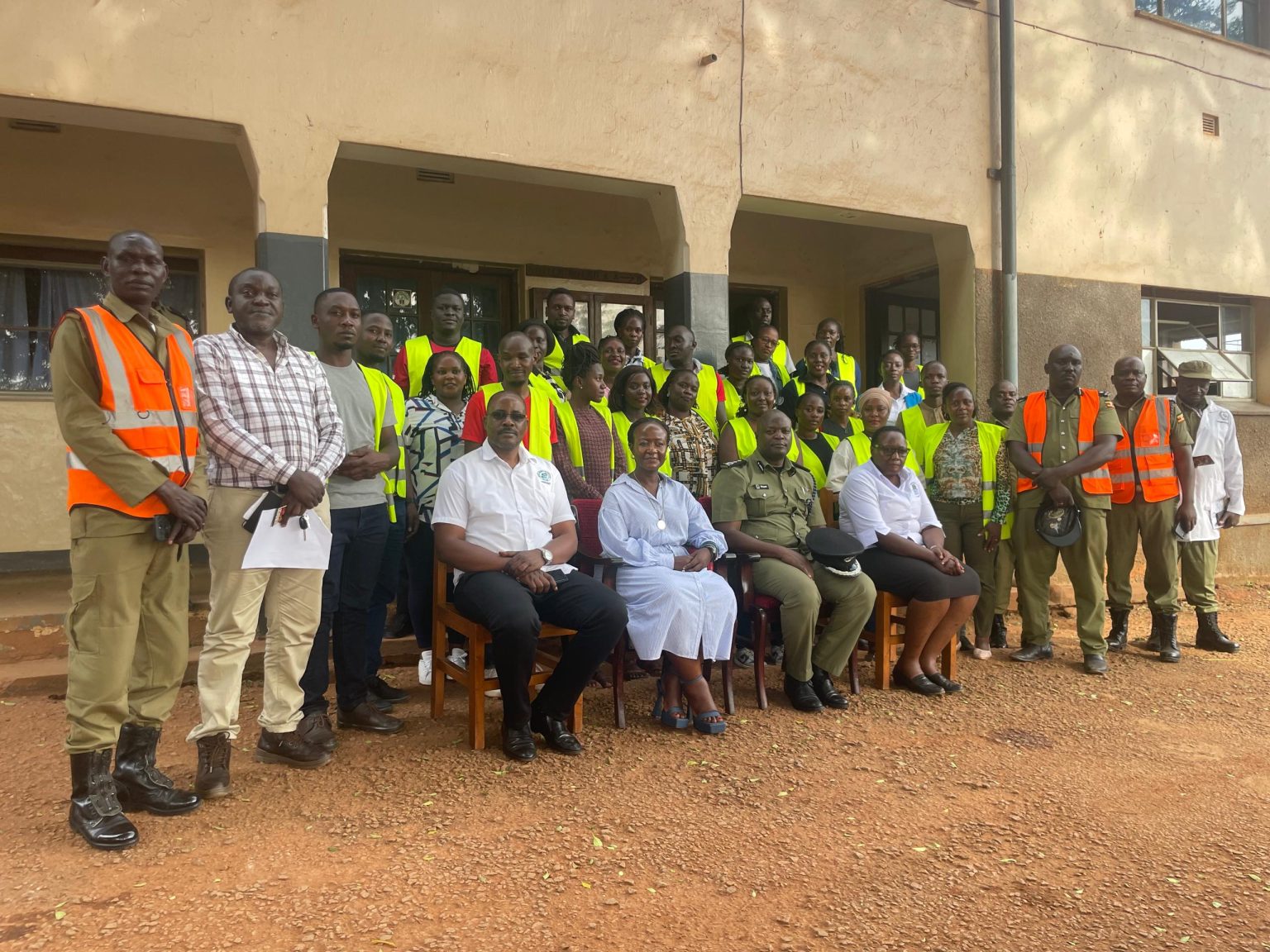
On February 7, 2025, Under Secretary of Ministry of Internal…

Newly appointed community service officers, and Government Analysts taking their…
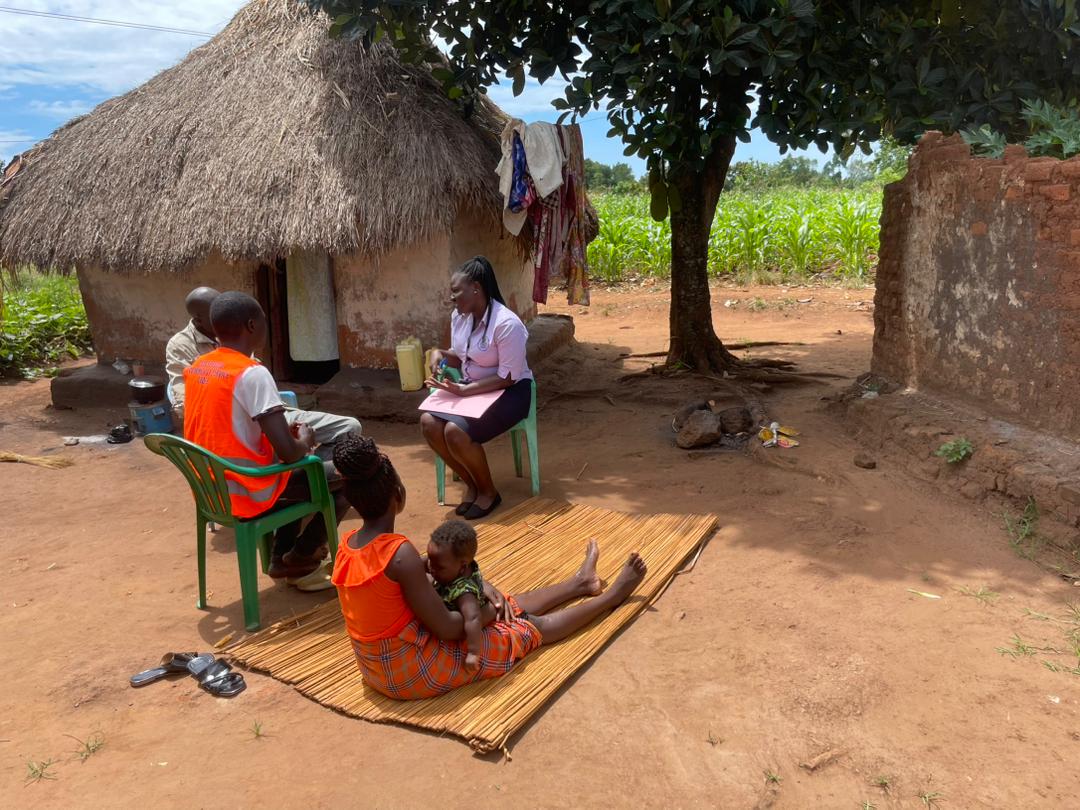
The reintegration and rehabilitation aspect continued to take a central role in offender management with focus on offender skilling, counseling,…

Compliance and monitoring have been integral to the performance of community service. The key activities undertaken during the period under…

Capacity Building is a core component of the Department of Community Service, designed to strengthen staff and stakeholders’ knowledge, skills,…
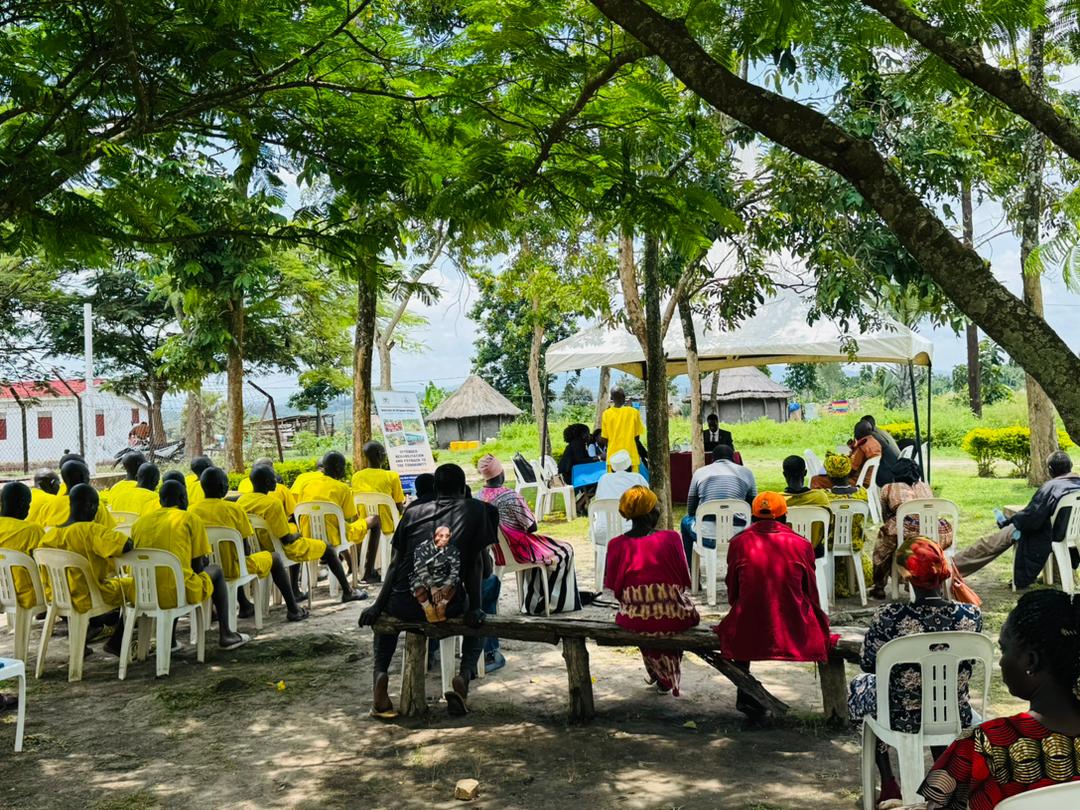
Under this Key Result Area, the Directorate is responsible for ensuring that Community Service orders are issued by all courts…
The Department of Community Service is mandated with the overall implementation of Community Service Orders in Uganda under the Ministry of Internal Affairs (CS Act 2000 , CAP 115).
Community Service is a non-custodial punishment by which after conviction, the court with the consent of the offender makes an order for the offender to serve the community rather than undergo imprisonment.
Community Service is one of the key reforms in the criminal justice administration system meant to enhance community involvement in the administration of justice.
Community Service is statutorily under section 10 of the Community Service Act 2000

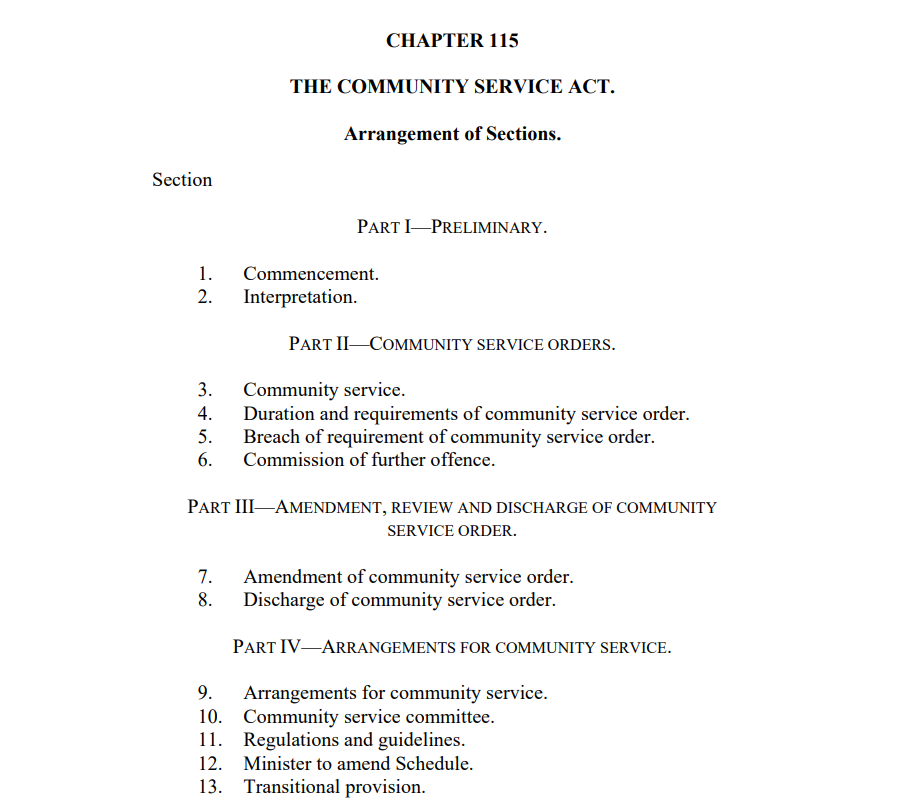
The Act sates that;
“Community Service means non-custodial punishment by which after conviction, the court with the consent of the offender makes an order for the offender to serve the community rather than undergo imprisonment.”
A community Service Order requires an offender to perform unpaid work of public interest for a specified period of time while residing in his or her home so that he or she can be rehabilitated and constructively reintegrated into Society.
Community Service Orders are issued by the High Court and its subordinate Courts”



A person who has committed an offence for which the court would have otherwise passed a sentence of not more than two years in prison
There are no specific offences for community service. The Community Service Act 2000 provides that Community service is appropriate for any offence that carries an imprisonment of not more than 2 years. The discretion to issue a community service order in a given offence remains with the Judicial Officers.
A Community Service order is performed at a Public Institution that benefits the whole Community. Such an Insitution is referred to as a Placement Institution.
The day-to-day supervision of the offender while serving the order is vested in the head of the Placement Institution.
A Community service order is issued in terms of hours for a period not exceeding 6 months. Offenders are required to perform work for a maximum of 8 hours per day, 40 hours per week, 160 hours per months and 960 hours in total. An offender may be ordered to work for less hours than the maximum.
If someone does not do the work as ordered by court, the supervisor is required to make a report to court. Court will issue a warrant of arrest and depending on circumstances, the Community service Order may be cancelled and an alternative sentence given.
The day-to-day supervision of an offender is done by the head of a placement Institution who is responsible for assigning work as per the order and ensuring the work is performed satisfactorily. The offender must sign in at the beginning of the day’s work and sign out after the prescribed hours of work.
The supervisor must certify the day’s work performed before endorsement of the work record sheet. A Community Service Officer follows up the placement Institution on a regular basis to ensure compliance. Local leaders and the community are encouraged to monitor the offender and the work performed.
Offenders are followed up both during and after sentence to ensure they are effectively reintegrated in the community. This is done through visits at Placement Institutions, home visits, reconciliatory meetings, peer support, family support, continuous counselling and referral, where applicable.Accordion Content
The Key Stakeholders in implementation of Community Service Orders include Ministry of Internal Affairs, the National Community Service Committee, District Community Service Committees, Judicial Officers, Prosecution, Police, Prisons, Placement Supervisors, Local Leaders, Offenders, Victims and the Community.