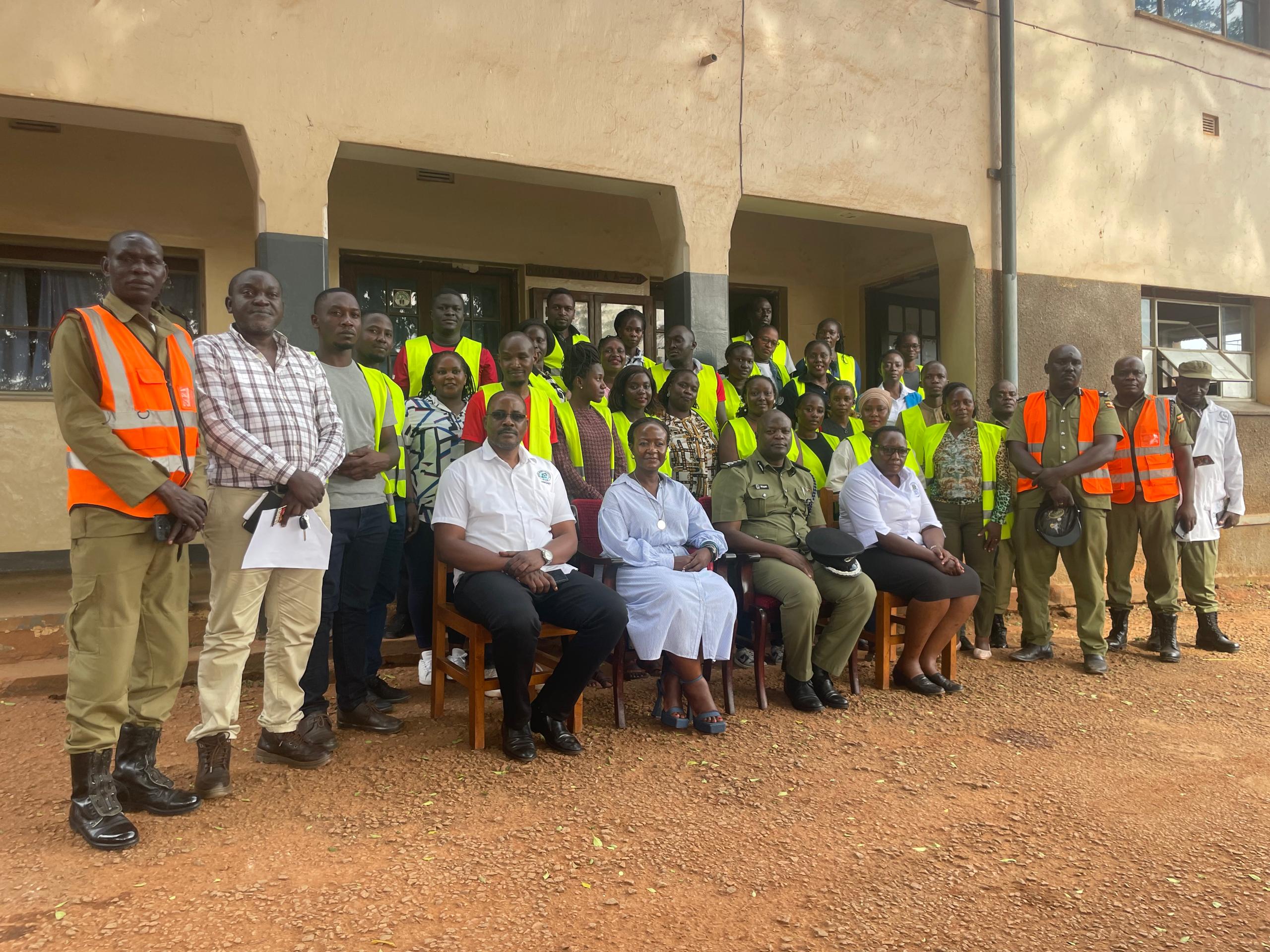


Community service in Uganda is a powerful driver of social cohesion and national development, rooted in the traditional concept of Bulungi Bwansi (for the good of the town/country). This cultural pillar encourages citizens to voluntarily maintain communal infrastructure, such as wells and roads, fostering a sense of shared responsibility.
In contemporary Uganda, community service manifests through several key avenues:
list one
list two
list three
- Youth Engagement: With one of the world’s youngest populations, many university students and graduates lead initiatives in literacy, reproductive health, and environmental conservation.
- NGOs and Faith-Based Groups: Organizations like the Uganda Red Cross and local churches play a vital role in disaster relief, poverty alleviation, and providing healthcare in underserved rural areas.
- The Justice System: Uganda utilizes community service as an alternative to incarceration for minor offenses. This “Restorative Justice” approach reduces prison overcrowding while allowing offenders to give back through public works.
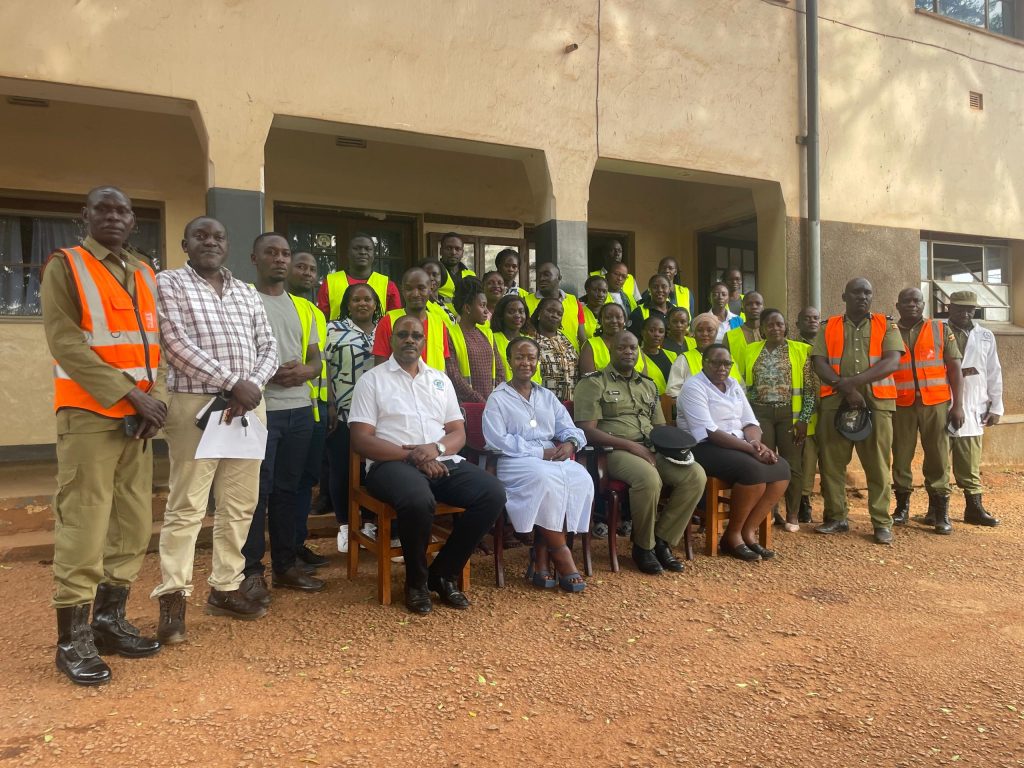
Despite challenges like limited funding and logistical hurdles in remote regions, the spirit of volunteerism remains a cornerstone of Ugandan life. It bridges the gap where government resources may fall short, proving that collective action can transform local livelihoods and build a more resilient nation.